EV Charging · Bayside Melbourne
Tesla Charger Installation Bayside Melbourne
Tesla Certified Installer fitting Wall Connectors and home charging for every Tesla model across Bonbeach, Chelsea, Carrum, Cheltenham, Frankston and surrounding bayside suburbs.
Real installs across bayside Melbourne
A few recent jobs — Jack works across every major charger brand, not just Tesla.
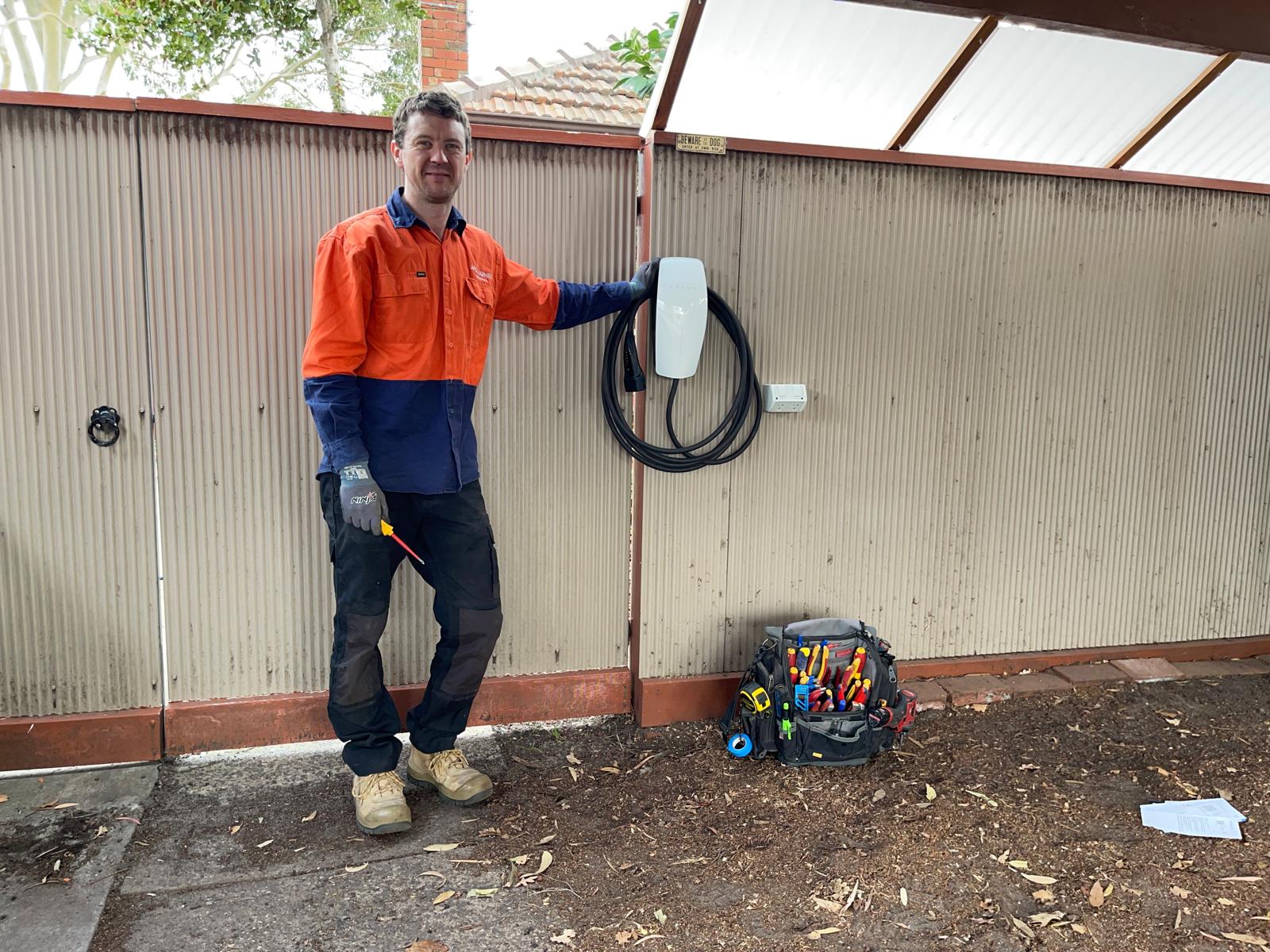
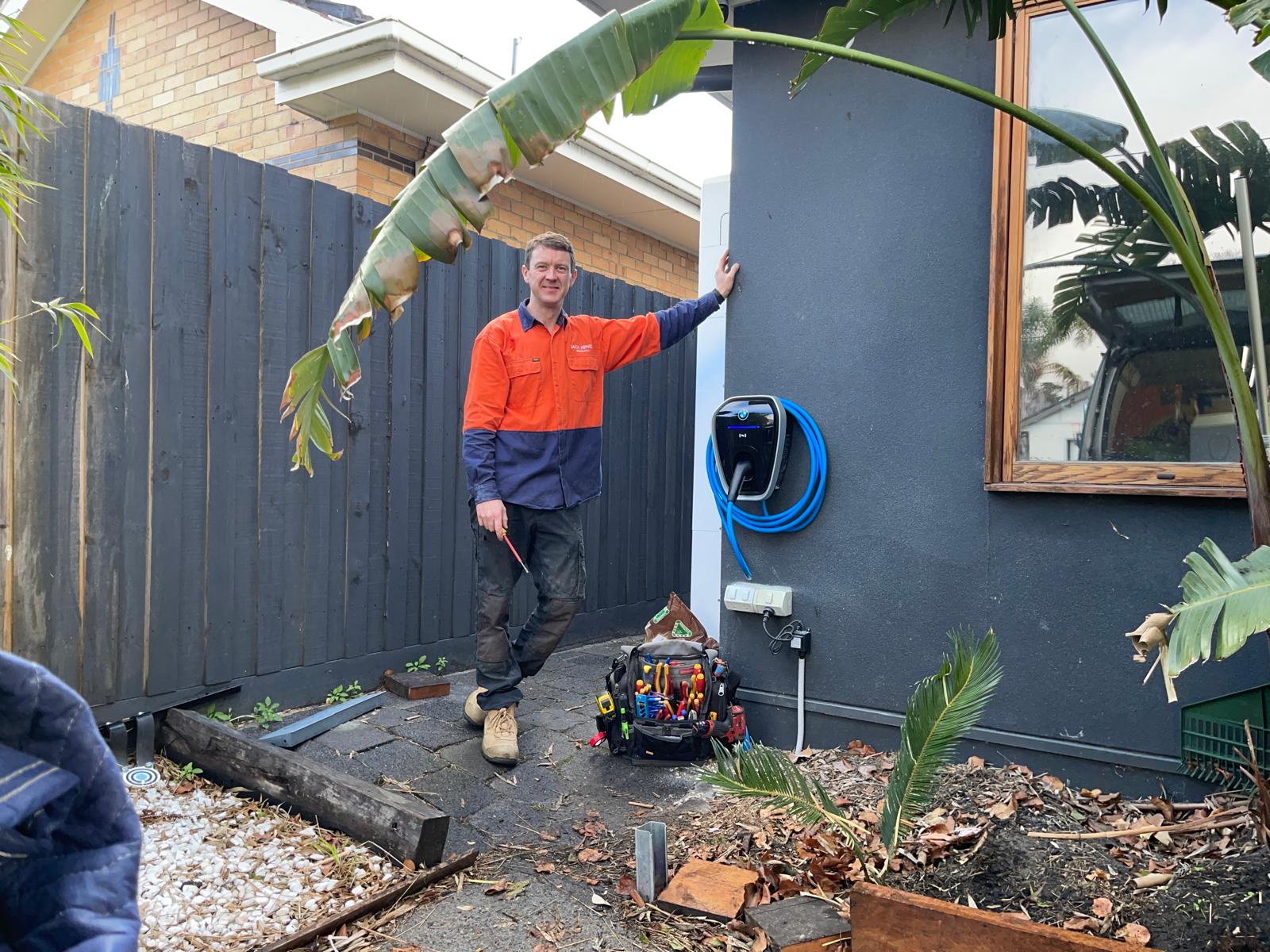
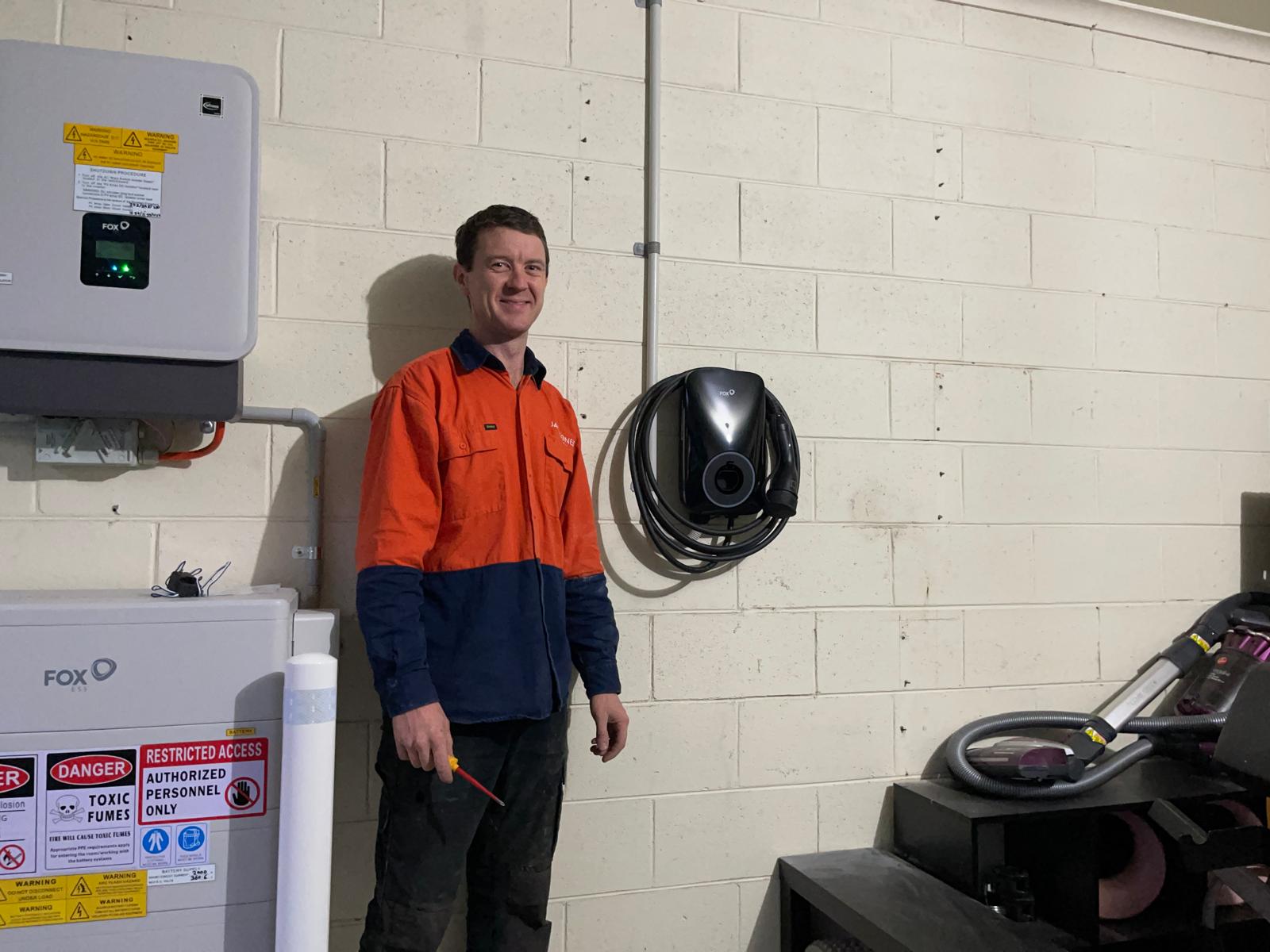
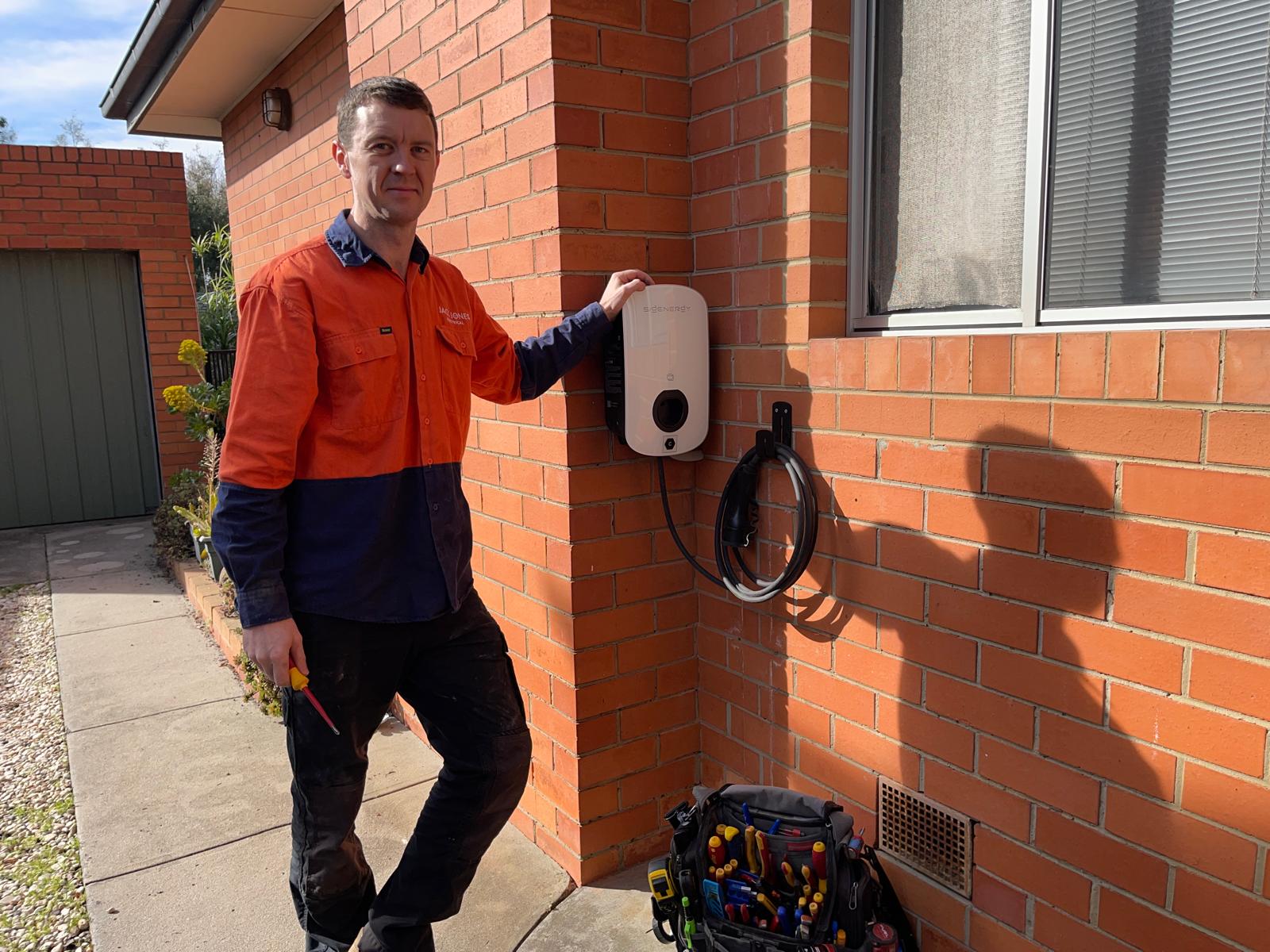
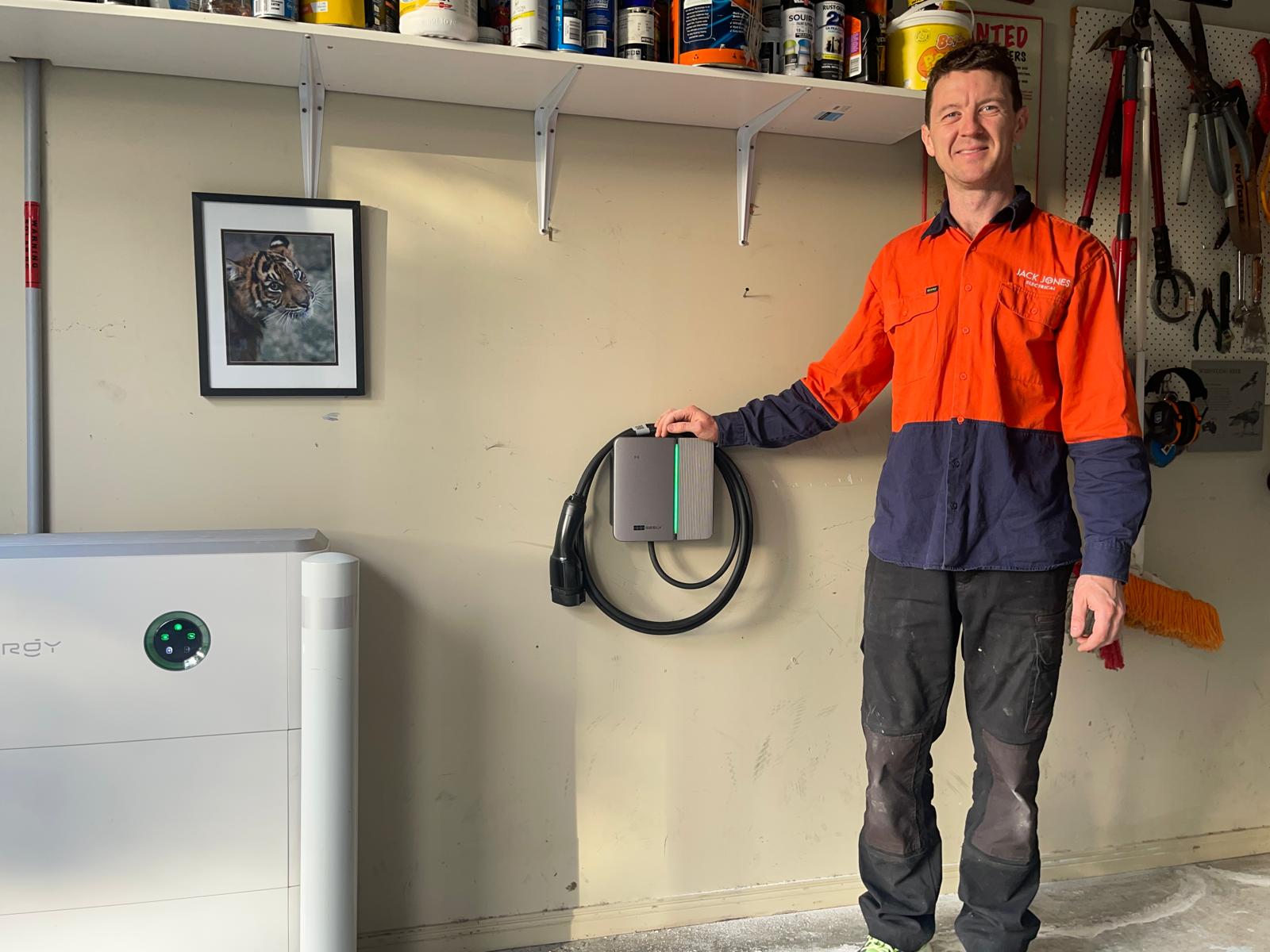
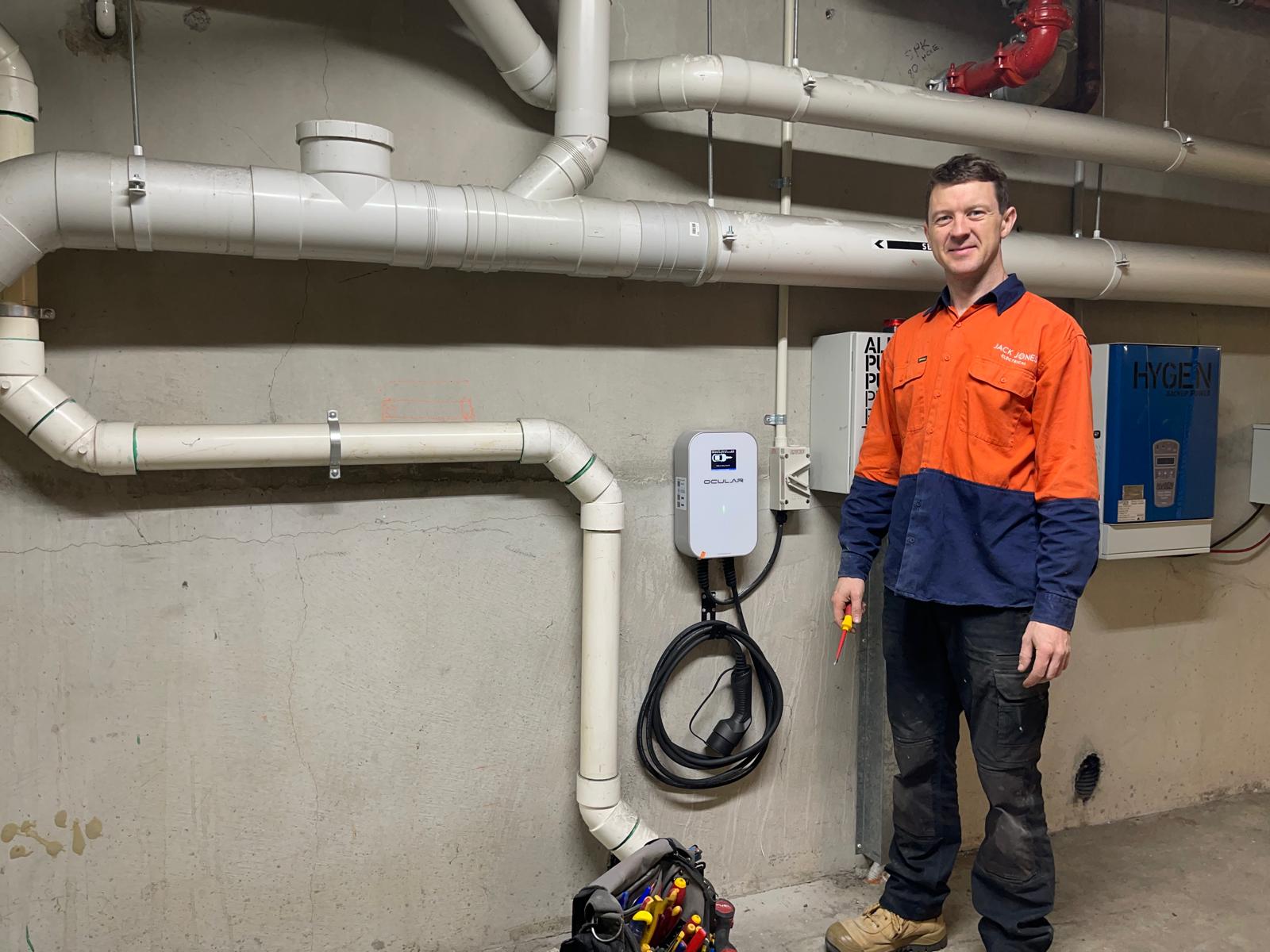
Tesla charger installation is one of the most common EV charging jobs Jack Jones Electrical does across bayside Melbourne — from Bonbeach and Chelsea to Cheltenham, Mentone and Frankston. Tesla directs Wall Connector buyers to its network of certified installers — and Jack is one: a Tesla Certified Installer as well as a licensed A-Grade electrician. He handles the whole job: assessing your switchboard, running the dedicated circuit, mounting and commissioning the charger, and issuing your Certificate of Electrical Safety.
Reviews
What local customers say
What does Tesla charger installation cost?
A straightforward Wall Connector install — short cable run, switchboard with capacity to spare — sits at the lower end. The price moves up when the job needs more:
- A longer cable run from the switchboard to where you park
- Switchboard upgrades or replacement to fit the new circuit
- Three-phase supply work or a second Wall Connector for power-sharing
Every property’s different, so this range is a guide, not a quote. Jack confirms the exact fixed price during your free on-site assessment — no surprises on installation day.
Get a fixed quoteLooking for a Tesla certified installer?
Tesla certification isn’t a phrase anyone can borrow — it’s Tesla’s own installer program, covering their energy products from the Wall Connector to the Powerwall, with training Tesla delivers and updates itself. Jack has completed Tesla’s certification, including their battery training, on top of 20 years in the electrical trade and CEC accreditation for solar and batteries. For you, that means the person quoting your Tesla charger understands the whole Tesla ecosystem — car, charger, Powerwall and solar — and how to make the pieces work together, not just how to mount a unit on a wall.
The Tesla Wall Connector
The Wall Connector (Gen 3) is Tesla’s dedicated home charging unit and the one most Tesla owners ask for. It’s a tethered charger with a generous 7.3-metre cable — longer than most rivals, which matters more than you’d think once you’re parking in a real driveway or garage — with a Type 2 plug, weather-resistant design suitable for indoor or outdoor mounting, and Wi-Fi connectivity so charging can be scheduled and monitored through the Tesla app. On a single-phase home it delivers up to 7.4kW; with three-phase power it can output substantially more, though how much your car actually accepts is set by the car itself (more on that below). If you ever add a second Wall Connector for a two-Tesla household, the units can power-share on the one circuit, splitting the available capacity automatically.
One detail many people don’t realise: the Wall Connector’s Type 2 plug means it charges virtually any electric vehicle sold in Australia, not just Teslas. If your household later adds a non-Tesla EV, the same unit covers both cars.
How fast will my Tesla charge at home?
Every current Tesla sold in Australia has an 11kW onboard AC charger. That onboard charger — not the wall unit — sets the ceiling for home charging speed. On a standard single-phase supply, which is what most bayside homes have, your Tesla charges at up to 7.4kW: roughly 40–50km of range added per hour, which comfortably takes most cars from low battery to full overnight. Homes with three-phase power unlock the full 11kW, adding up to 75km of range per hour of charge. Installing a charger with a bigger nameplate than that won’t make a Tesla charge any faster — the car’s 11kW limit always applies — which is exactly the kind of thing worth knowing before you pay for hardware you can’t use.
Not sure which supply you have? A single-phase switchboard has one main switch; three-phase has three grouped together. Jack confirms this in the first minutes of an on-site assessment, along with whether your board and mains capacity can carry the new circuit.
Which Tesla models does this cover?
Every model in Tesla’s current Australian range charges at home the same way — Type 2 AC, up to 7.4kW on single phase and 11kW on three phase:
- Model 3 — Premium RWD, Premium Long Range RWD and AWD, and Performance
- Model Y — Premium RWD, Long Range variants and Performance
- Model Y L — the new six-seat, long-wheelbase Model Y
Driving an earlier Model S or Model X? Those are welcome too — AC charging capability on older builds varies by year and options, so Jack confirms your car’s rate during the assessment and matches the circuit and charger to it.
Wall Connector vs the Mobile Connector
The Mobile Connector that plugs into a standard power point has its place — it’s a handy backup and fine for topping up at a holiday house — but at roughly 10–15km of range per hour it’s not a practical daily solution. A hard-wired Wall Connector on its own dedicated circuit charges several times faster, doesn’t tie up a general power circuit, and is installed and tested to AS/NZS 3000 wiring rules with a Certificate of Electrical Safety. If you’re charging at home most nights, the Wall Connector is the right tool.
Prefer a third-party charger for your Tesla?
You’re not locked into Tesla hardware. Because Teslas charge over standard Type 2 AC, Jack can install a range of quality third-party charging stations — including brands like Fox ESS and Sigenergy — worth considering if you want features the Wall Connector doesn’t offer, like diverting excess solar generation straight into the car without any extra equipment. Jack will give you a straight recommendation based on your car, your electrical supply and how you actually drive, rather than pushing one brand.
Charging your Tesla from solar
Bayside rooftops and EVs are a natural pair. If you have a Powerwall, Tesla’s Charge on Solar feature lets your car soak up excess solar generation automatically through the Tesla app. No Powerwall? A solar-aware third-party charger can do the same job by tracking your export and diverting it to the car. As a Tesla Certified Installer who’s also CEC-accredited, Jack can design solar, battery storage and Tesla charging as one system — sized properly from your actual usage data rather than guesswork.
Do I need a switchboard upgrade?
Sometimes. A Wall Connector needs its own dedicated circuit with appropriate protection, and some older bayside switchboards don’t have the space or capacity for it. Jack assesses your switchboard, mains and existing loads before quoting, so you know up front whether the job is a straightforward circuit run or includes board work — no surprises on installation day.
Our process
On-site assessment
Jack checks your switchboard, supply type, and the cable run from the board to where you park.
Fixed scope & quote
A clear scope covering any upgrades needed, the dedicated circuit, and charger mounting — with a fixed price.
Install & certify
Charger mounted, commissioned and Wi-Fi connected, tested to Australian standards, with your Certificate of Electrical Safety.
Why choose Jack Jones Electrical?
Areas we service
Jack Jones Electrical provides Tesla charger installation across bayside Melbourne. Find your local area below:
Get in touch
Fill in the form below and Jack will get back to you to arrange a free assessment or quote.